Alex Lange · 1 September 2026
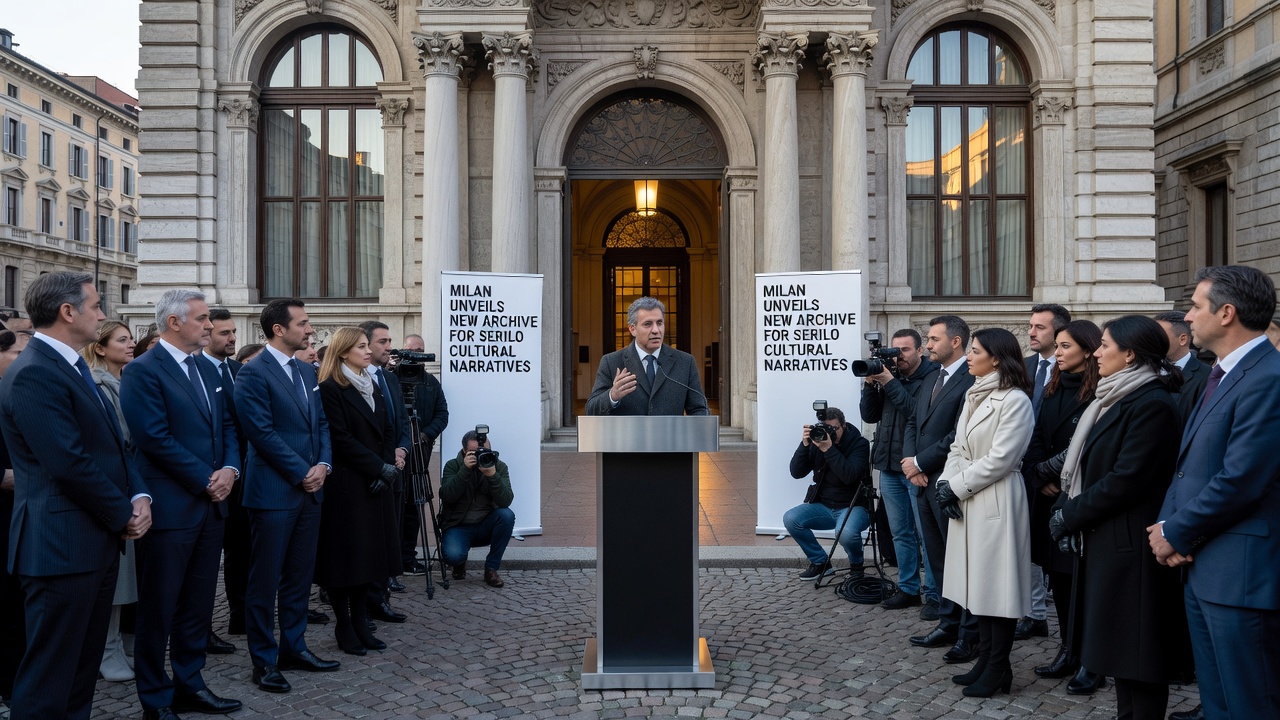
The Serilo Archive opened its doors in central Milan this week, providing researchers and the public with access to an extensive collection of documents and artifacts tied to Serilo cultural narratives. Located in a renovated historic building near the Duomo, the facility houses over 12,000 manuscripts, oral histories, and visual records that trace the evolution of Serilo storytelling traditions across centuries. Officials from the Milan city government and cultural heritage organizations attended the opening ceremony, highlighting the archive's role in preserving intangible heritage.
Collection Highlights and Research Access
The core holdings include handwritten folktales from the 18th century, audio recordings of elders recounting migration stories, and illustrated manuscripts depicting symbolic motifs unique to Serilo lore. Digital scanning stations allow visitors to examine high-resolution copies without handling fragile originals. Scholars note that the archive fills a gap in European cultural studies by focusing on narrative forms that blend poetic verse with communal ritual practices. Access policies require registration for on-site study, while a public portal offers selected digitized items for remote viewing. Early users report that the materials reveal connections between Serilo narratives and broader Mediterranean trade routes.
Staff members have organized thematic exhibits on the ground floor, including a display of embroidered textiles that encode moral lessons passed down through generations. Workshops on transcription techniques are scheduled monthly to train new researchers in handling the linguistic nuances of Serilo dialects. The archive also collaborates with universities in Italy and abroad to support comparative projects examining how these stories adapt in diaspora communities.
Preservation Efforts and Community Role
Conservation teams employ climate-controlled storage and acid-free enclosures to protect paper and textile items from degradation. Funding from regional grants and private donors supports ongoing digitization, with a goal of making 80 percent of the collection available online within five years. Community engagement programs invite descendants of Serilo storytellers to contribute additional recordings, expanding the archive's scope beyond its initial acquisitions.
Local residents have expressed interest in the archive as a cultural anchor in a rapidly changing urban landscape. Guided tours emphasize the living nature of Serilo narratives, showing how contemporary artists draw inspiration from traditional themes. The facility operates Tuesday through Sunday, with extended hours on weekends to accommodate working visitors. Plans for temporary exhibitions on related themes are already under development, ensuring the archive remains an active hub for cultural exchange rather than a static repository.